The Complete Jean Vigo
套装简介 / Synopsis
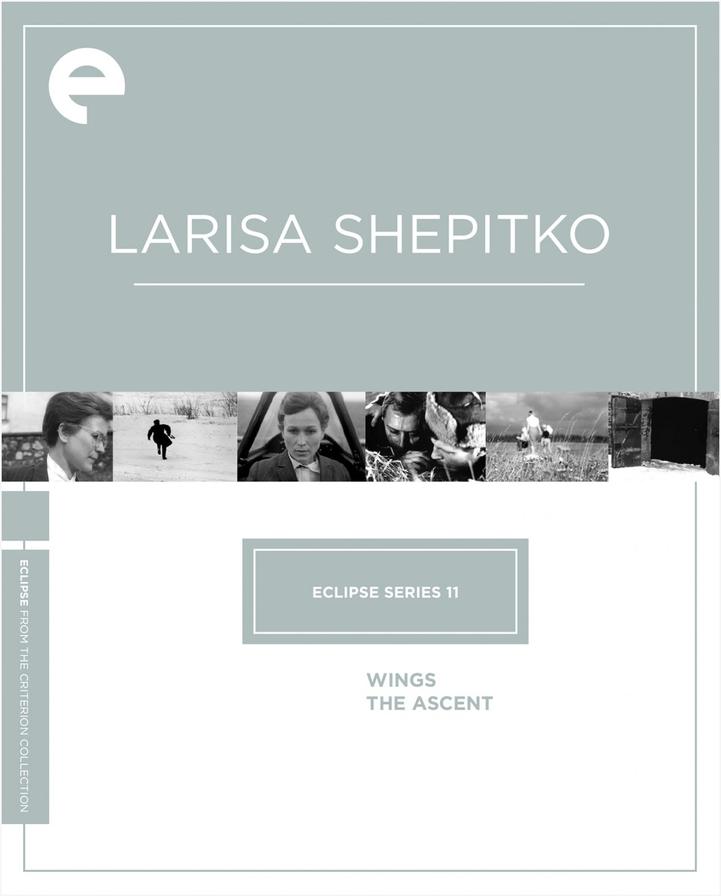
The career of Larisa Shepitko, an icon of sixties and seventies Soviet cinema, was tragically cut short when she was killed in a car crash at age forty, just as she was emerging on the international scene. The body of work she left behind, though small, is masterful, and her genius for visually evoking characters’ interior worlds is never more striking than in her two greatest works: Wings, an intimate yet exhilarating portrait of a female fighter pilot turned provincial headmistress, and The Ascent, a gripping, tragic wartime parable of betrayal and martyrdom. A true artist who had deftly used the Soviet film industry to make statements both personal and universal, Shepitko remains one of the greatest unsung filmmakers of all time.
拉里萨·舍皮琴科是六十至七十年代苏联电影的偶像人物;正当她在国际影坛崭露头角之际,却在一场车祸中丧生,年仅四十,事业悲剧性地戛然而止。她留下的作品虽然数量不多,却堪称杰作;而她那种以视觉唤起人物内心世界的天才,在她最伟大的两部作品中表现得最为突出:一部是《翼》(Wings)——一幅私密而又令人振奋的肖像,讲述一位女战斗机飞行员成为外省女子中学校长之后的人生;另一部是《升华》(The Ascent)——一则扣人心弦、充满悲剧色彩的战时寓言,关于背叛与殉难。作为一位巧妙地运用苏联电影工业来表达个人与普世之声的真正艺术家,舍皮琴科至今仍是有史以来最伟大、却最不为人知的电影人之一。
影片明细 / Films in This Set(2 部)
《翼》 Wings 1966
这是拉里萨·舍皮琴科从全俄国立电影学院(VGIK)毕业后执导的第一部长片,她将镜头对准了令人着迷的俄罗斯性格演员玛雅·布尔加科娃;后者饰演一位曾经战功赫赫的俄罗斯女战斗机飞行员,如今却过着平静、令人失望的平庸生活,当了一名中学校长。舍皮琴科以优雅、克制的摄影和从容、流畅的叙事,细腻地刻画了一位女性的内心绝望,凭借《翼》宣告自己成为苏联电影界一位重要的新声音。
For her first feature after graduating from the All-Russian State Institute for Cinematography (VGIK), Larisa Shepitko trained her lens on the fascinating Russian character actress Maya Bulgakova, who gives a marvelous performance as a once heroic Russian fighter pilot now living a quiet, disappointingly ordinary life as a school principal. Subtly portraying one woman's desperation with elegant, spare camera work and casual, fluid storytelling, Shepitko, with Wings, announced herself as an important new voice in Soviet cinema.
《升华》 The Ascent 1977
这是一段被悲剧性中断的职业生涯的巅峰之作,也是拉里萨·舍皮琴科的最后一部影片;它荣获1977年柏林电影节金熊奖,并被后世誉为苏联晚期电影最杰出的作品之一。在二战最黑暗的日子里,两名游击队员出发去寻找补给以维持被困的队伍,他们冒着纳粹占领下白俄罗斯暴雪肆虐的原野前行。当他们落入德军手中、直面死亡时,两人都必须在殉道与背叛之间做出抉择——这场精神试炼将影片质朴的戏剧冲突提升到了宗教寓言的高度。凭借将刺目的白雪与漆黑的绝望相对照的、粗粝而直击感官的摄影,《升华》在战争的残酷磨难中发现了诗意与超越。
The crowning triumph of a career cut tragically short, the final film from Larisa Shepitko won the Golden Bear at the 1977 Berlin Film Festival and went on to be hailed as one of the finest works of late Soviet cinema. In the darkest days of World War II, two partisans set out for supplies to sustain their beleaguered outfit, braving the blizzard-swept landscape of Nazi-occupied Belorussia. When they fall into the hands of German forces and come face-to-face with death, each must choose between martyrdom and betrayal, in a spiritual ordeal that lifts the film's earthy drama to the plane of religious allegory. With stark, visceral cinematography that pits blinding white snow against pitch-black despair, The Ascent finds poetry and transcendence in the harrowing trials of war.
特色功能 / Special Features
(官网该套装详情页未列出特色功能区块)